 PhoneCodex
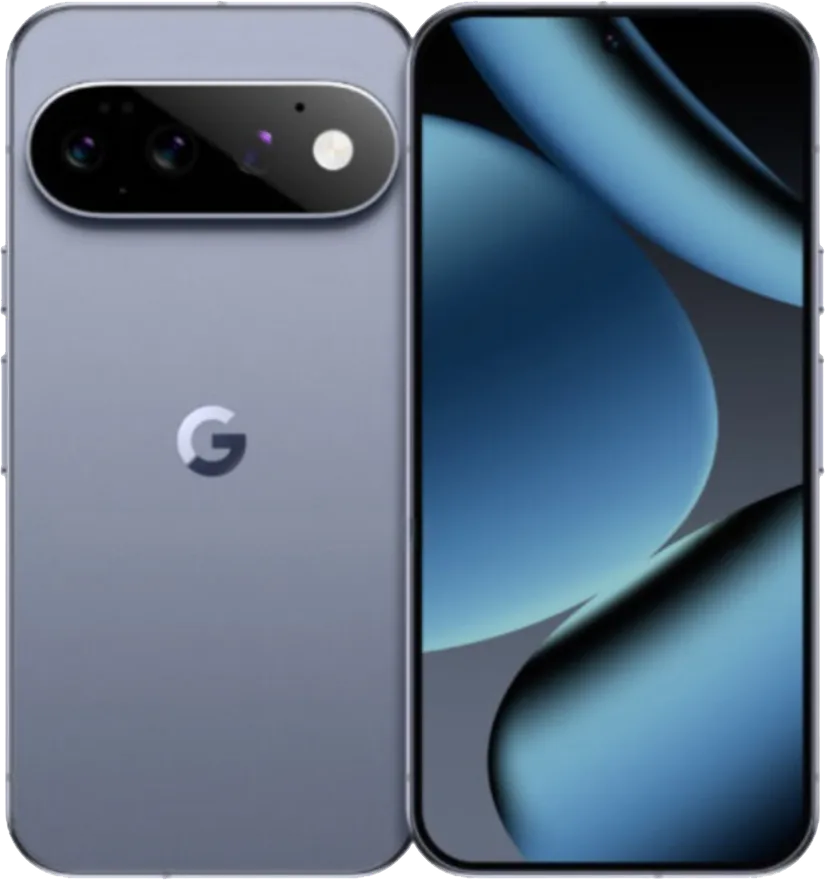
Google has spent years telling us that computational photography is more important than sensor size. The Pixel 11 Pro is the strongest argument the company has ever made for that position. The Tensor G6 chip processes images with a level of intelligence that produces consistently better photos than phones with objectively superior hardware.
That does not mean the hardware is weak. It is not. But the magic here is in what Google does with the data after the sensor captures it.
Display
The 6.3-inch LTPO OLED panel hits 3,600 nits peak brightness, which is the highest of any phone on the market in 2026. In direct sunlight, the Pixel 11 Pro is genuinely easier to read than every competitor we have tested. The 1-120Hz adaptive refresh rate, HDR10+ support, and 495 ppi density deliver a display that is sharp, smooth, and vivid.
The 6.3-inch size is worth noting. In a market where flagships keep growing, the Pixel 11 Pro remains a phone you can comfortably use with one hand. Google has committed to keeping the Pro at this size, and a lot of people are grateful for it.
Camera
The 50MP main sensor with a 1/1.3-inch size captures excellent detail in all lighting conditions. The f/1.68 aperture is not the widest in the class, but Tensor G6's image processing more than compensates. Night Sight continues to be the best low-light mode on any smartphone, producing images that look natural rather than artificially brightened.
The 48MP ultrawide doubles as a macro camera, which makes it far more versatile than ultrawide lenses that cannot focus up close. The 48MP 5x telephoto uses a 113mm focal length, giving it slightly more reach than the competition at the same zoom level.
The real surprise is the selfie camera. Google has jumped to a 42MP ultrawide sensor with a 103-degree field of view. Group selfies now fit everyone in frame without anyone holding the phone at arm's length, and the resolution is high enough that cropping for a tighter shot still looks sharp.
Google's Photo Unblur, Magic Eraser, and Best Take features continue to improve with each generation. The AI-powered editing tools are genuinely useful rather than gimmicky, which is more than can be said for many competing AI photo features.
Google loses the benchmark and wins the photograph. After six generations of Tensor, that is clearly the trade it meant to make.
On Tensor G6 and computational photographyPerformance
Tensor G6 is a 3nm part and it prioritizes AI and machine learning performance over raw benchmark numbers. The CPU is an unusual seven-core arrangement: one C1-Ultra core at 4.11 GHz, two C1-Pro cores at 2.65 GHz and four more C1-Pro cores at 3.38 GHz, paired with an Imagination CXT-48-1536 GPU rather than the Arm or Adreno designs used elsewhere. In synthetic benchmarks, it trails the Snapdragon 8 Elite Gen 5 and Apple A20 Pro. In real-world use, the difference is imperceptible for everything except sustained gaming, where the Tensor chip runs warmer and throttles sooner than Qualcomm's offering.
Where Tensor G6 excels is in on-device AI tasks: speech recognition, live translation, photo processing, and contextual suggestions. These features run faster and more accurately on the Pixel than on any other Android phone, because the chip was designed specifically for this workload.
Battery Life
The 4,850mAh battery paired with the efficient 6.3-inch display delivers solid all-day battery life. The smaller screen draws less power than 6.7-inch and 6.9-inch competitors, which partially compensates for the smaller cell. Most users will end the day with 20-30% remaining.
Charging is the weak point. The 30W wired maximum is the slowest in the flagship class, and it means a full charge takes over an hour. Google prioritizes battery longevity over charging speed, which is a defensible choice but a noticeable one.
Software
Android 17 on the Pixel is the cleanest, most cohesive Android experience available. Google's seven-year update commitment means this phone will receive security patches and major OS updates through 2033. No other Android manufacturer matches this.
The practical value of that commitment is easy to underestimate. A phone bought today that is still receiving full OS releases in 2033 changes the cost calculation entirely. Spread across seven years, the $1,099 price works out cheaper per year of supported use than a $700 phone with a three-year window, and the resale value holds better for the same reason.
Feature Drops arrive quarterly and genuinely add capability rather than shuffling icons. Call Screen, Hold For Me, Live Translate and Recorder's speaker labelling all run on device, which means they work on a plane and they do not send your audio anywhere.
Build, Connectivity and Everyday Hardware
At 152.7 x 71.9 x 8.4 mm and 204 g, the Pixel 11 Pro is the smallest and lightest flagship in this comparison set by a clear margin. It is 45 g lighter than the iPhone 18 Pro Max and 10 g lighter than the Galaxy S26 Ultra while being noticeably more compact in both dimensions. Gorilla Glass Victus 2 protects the front, and the matte glass back resists fingerprints far better than the gloss finishes Samsung still favours.
The phone carries an IP68 rating, an ultrasonic under-display fingerprint reader, and Ultra Wideband. Wireless covers tri-band Wi-Fi 7 and Bluetooth 6.0 with aptX HD and LE support, and the USB-C port is USB 3.2 with OTG. Colours are Canyon, Olive, Fog and Obsidian.
Storage runs 256 GB with 12 GB of RAM, 512 GB with 16 GB, or 1 TB with 16 GB, all on Google's Zoned UFS implementation. The 12 GB base model is adequate, but 16 GB is the configuration to choose if you intend to hold the phone for anything like its seven-year support window.
Price and Value
At $1,099 the Pixel 11 Pro is the cheapest of the three Western flagships, undercutting the iPhone 18 Pro Max by $200 and the Galaxy S26 Ultra by $300. It is also the only one of the three with a seven-year software guarantee.
That combination is difficult to argue with. You give up peak gaming performance, you accept the slowest charging in the class, and you lose the 200 MP sensor and 1 TB-plus storage ceilings of the competition. In exchange you get the brightest display on the market, the best computational photography, the most useful on-device AI and the longest support runway, in the smallest body.
Specifications in Full
| Display | 6.3-inch LTPO OLED, 1280 x 2856 (495 ppi), 1-120Hz, HDR10+, 3,600 nits peak |
|---|---|
| Chipset | Google Tensor G6 (3 nm), Imagination CXT-48-1536 GPU |
| CPU | 7-core: 1 x 4.11 GHz C1-Ultra, 2 x 2.65 GHz C1-Pro, 4 x 3.38 GHz C1-Pro |
| Memory | 12 GB or 16 GB RAM, 256 GB to 1 TB Zoned UFS |
| Rear cameras | 50 MP f/1.68 1/1.3in wide with OIS, 48 MP f/1.7 123-degree ultrawide with macro, 48 MP f/2.8 113mm 5x telephoto with OIS |
| Front camera | 42 MP f/2.2 103-degree ultrawide with Dual Pixel autofocus, 4K at 60fps |
| Video | 8K at 24 and 30fps, 4K at up to 60fps |
| Battery | 4,850 mAh, 30W wired, 25W Qi 2.2 and Pixelsnap wireless |
| Build | Gorilla Glass Victus 2, matte glass back, IP68, 152.7 x 71.9 x 8.4 mm, 204 g |
| Software | Android 17, seven years of OS and security updates to 2033 |
| Connectivity | Tri-band Wi-Fi 7, Bluetooth 6.0 with aptX HD, NFC, UWB, USB-C 3.2 |
| Price | $1,099 |
Who Should Buy the Pixel 11 Pro
Buy it if you want the best point-and-shoot camera on any phone, if you prefer a device you can operate with one hand, or if you intend to keep your phone for more than three years. It is also the right choice for anyone who finds Samsung's software busy and Apple's ecosystem restrictive.
Skip it if you play demanding 3D games for long stretches, because Tensor G6 runs warmer and throttles sooner than Qualcomm's current flagship silicon. Skip it too if you top your phone up in fifteen-minute bursts, because 30W charging is simply not built for that habit.
Alternatives Worth Considering
The Galaxy S26 Ultra gives you more camera hardware, more storage and more raw speed for $300 more. The iPhone 18 Pro Max is the stronger video tool. If you want the Pixel experience in a cheaper package, the standard Pixel 11 shares most of the software and much of the main camera. We put the Pixel up against Samsung's non-Ultra flagship in our Pixel 11 Pro versus Galaxy S26 comparison.
The Verdict
The Pixel 11 Pro is the best compact flagship on the market and the best camera phone for anyone who values natural-looking photos over megapixel counts. The 42MP ultrawide selfie camera is a genuine innovation, Tensor G6 makes on-device AI feel effortless, and seven years of updates provide exceptional longevity. The slower charging speed and lower gaming performance are the trade-offs. At $1,099, it costs less than the S26 Ultra and iPhone 18 Pro Max while arguably taking better photos than both.