 PhoneCodex
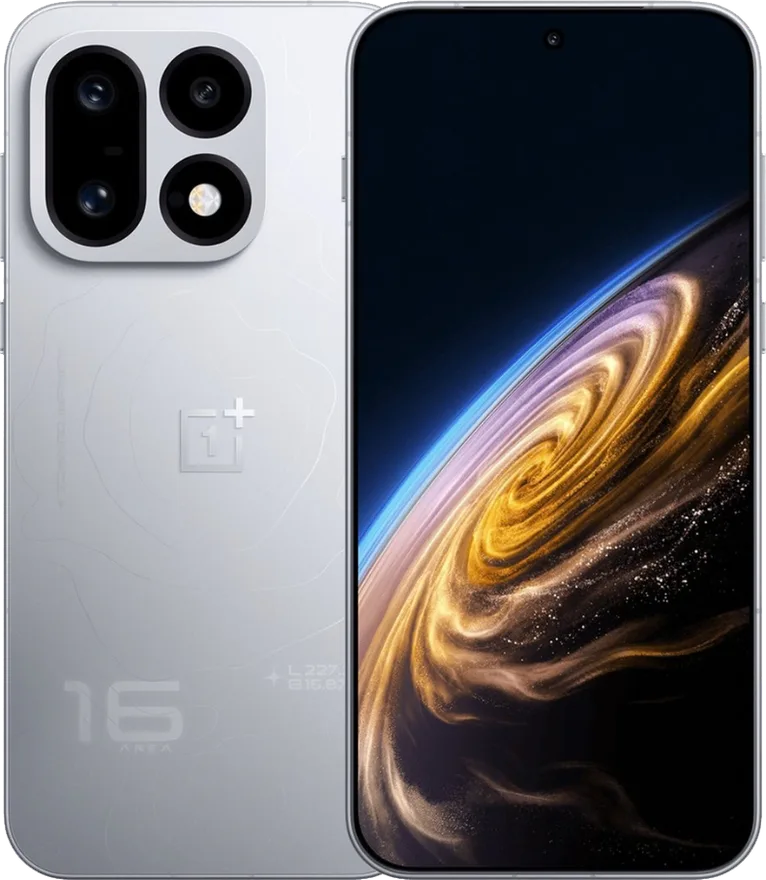
OnePlus has always positioned itself as the brand that gives you flagship specs without the flagship price. The OnePlus 16 takes that philosophy to its logical extreme. A 9,000mAh silicon-carbon battery, the world's first 2nm mobile chipset, a 185Hz display, and 100W charging. On paper, it demolishes everything in its price range and several things above it.
The reality mostly lives up to the numbers.
Display
The 6.78-inch LTPO AMOLED runs at up to 185Hz, which is the highest refresh rate on any shipping smartphone. The difference between 120Hz and 185Hz is subtle in general use, but it is perceptible in animations, scrolling, and gaming if you are sensitive to refresh rate differences. Most people will notice that the phone feels "smoother" without being able to pinpoint exactly why.
HDR10+ and Dolby Vision are both supported. The panel is bright, color-accurate, and responsive to touch input. The 1272x2772 resolution provides sharp text and detailed images at the 6.78-inch size.
Battery Life
Let us address the elephant in the room first. The 9,000mAh silicon-carbon battery is enormous, and it delivers exactly the endurance you would expect from a cell this size. Two-day battery life is achievable with moderate use. Heavy users who stream video, game, and run social media all day will still get through a full day with plenty to spare.
The 100W SUPERVOOC wired charging fills the 9,000mAh battery from empty to full in about 40 minutes. That is absurdly fast for a battery this large. The 50W wireless charging is equally impressive, handling a full charge in roughly an hour.
Battery anxiety is not a concept that exists with the OnePlus 16. You charge it at night, and it lasts until you charge it again the next night. For many users, it might last until the night after that.
You charge it at night and it lasts until you charge it again the next night. For plenty of people, the night after that.
On the 9,000mAh batteryPerformance
The Snapdragon 8 Elite Extreme Gen 6 is built on TSMC's 2nm process, making the OnePlus 16 the first commercially available phone with a 2nm chip. In benchmarks, it leads everything, including the 3nm chips from Qualcomm and Apple that power competing flagships.
Real-world performance is blazing fast. Apps open instantly. Multitasking between heavy applications is seamless. Gaming at maximum settings runs smoothly with minimal thermal throttling thanks to the phone's large internal volume and effective cooling system. UFS 5.0 storage ensures that file operations and app installations are faster than on UFS 4.0 devices.
Camera
The 200MP main camera captures extraordinary detail in good light. Pixel-binned 12.5MP shots are the default, and they produce images with excellent dynamic range and color accuracy. The 50MP 3.5x periscope telephoto handles zoom duties well, and the 50MP ultrawide is sharp across the frame.
Camera processing is fast and the shutter lag is minimal. The OnePlus 16 is not quite at the level of the Pixel 11 Pro or iPhone 18 Pro Max in computational photography, but it is close enough that most users will not notice the difference in everyday shooting.
Build and Software
Glass front and back with an aluminum frame. IP68 and IP69K dust and water resistance. At 217 grams, it is heavier than the S26 Ultra but carries nearly twice the battery capacity, which puts the weight in perspective.
OxygenOS 17 on Android 17 is clean and fast, with fewer pre-installed apps than Samsung's One UI and more customization options than stock Android.
Connectivity covers tri-band Wi-Fi 7 and Bluetooth 5.4 with aptX HD and LHDC 5, the latter being useful if you own wireless headphones that support it. The USB-C port runs at USB 3.2 speeds with OTG, and there is an ultrasonic under-display fingerprint reader rather than the optical type usually found at this price. Colours are Obsidian Black and Glacier White.
Gaming and Thermals
Large batteries have a side effect that rarely gets mentioned: they make a phone physically bigger inside, and a bigger phone has more surface area to move heat into. The OnePlus 16 benefits from this directly. Extended gaming sessions warm the frame without ever reaching the uncomfortable temperatures that thinner flagships hit, and sustained frame rates hold up longer as a result.
The Adreno 860 GPU is the fastest currently shipping in an Android phone, and paired with the 185Hz panel it is the only combination that can actually feed a high-refresh display in demanding titles. Most games cap well below 185fps, so the headroom mostly manifests as stability rather than speed, but stability is what you notice over an hour of play.
UFS 5.0 storage is the other quiet advantage. Game assets stream faster, large app installs finish sooner, and the difference against UFS 4.0 devices is measurable rather than theoretical when you are loading a large open-world title.
The 185Hz Display in Daily Use
The panel runs 1272 x 2772 at roughly 450 pixels per inch, which is lower than the Galaxy S26 Ultra and the Pixel 11 Pro but entirely adequate at this size. It supports both HDR10+ and Dolby Vision, so it covers whichever standard your streaming service happens to use.
The 185Hz refresh rate is the headline, and the honest assessment is that it is a luxury rather than a necessity. Moving from 60Hz to 120Hz is transformative. Moving from 120Hz to 185Hz is a refinement you notice for a day and then stop thinking about. It does no harm, because the LTPO panel drops its refresh rate when nothing is moving, but it should not be the reason you buy the phone.
The Camera in More Detail
The 200 MP main sensor sits behind an f/1.6, 23mm-equivalent lens with optical stabilisation. The 50 MP periscope delivers 3.5x optical zoom with its own OIS unit, and the 50 MP ultrawide covers a 15mm equivalent at f/2.0. The front camera is a 50 MP f/2.0 unit with autofocus, which is a meaningful step above the fixed-focus selfie cameras still common even on flagships.
Video is more capable than the price suggests. The phone records 8K at 30fps, 4K at up to 120fps and 1080p at up to 240fps, all with gyroscope-assisted stabilisation. Slow-motion at 240fps is genuinely usable rather than a checkbox, and 4K 120 gives you room to retime footage in an edit.
Where OnePlus still trails is in the processing stack. Highlight roll-off in difficult mixed lighting is less graceful than on the Pixel 11 Pro, and skin tones under artificial light need more correcting afterwards. The hardware is not the limiting factor here; the tuning is.
Price, Availability and the Catch
The OnePlus 16 launched in China at 5,999 yuan, which converts to roughly $830 at current rates. That number needs two caveats attached before you spend it.
The first is that it represents a sharp increase over the previous generation. The OnePlus 16 starts around 50 percent higher than the OnePlus 15 did, so the brand's traditional value pitch is thinner than it used to be, even if the specification sheet absorbs the rise.
The second is availability. This is a China-first launch, with an India release expected later in 2026 and broader international availability unconfirmed. A converted yuan price is not what you will pay in a Western market once import duties, local taxes and regional warranty costs are added. Treat $830 as the floor, not the price.
Specifications in Full
| Display | 6.78-inch LTPO AMOLED, 1272 x 2772 (450 ppi), up to 185Hz, HDR10+, Dolby Vision |
|---|---|
| Chipset | Snapdragon 8 Elite Extreme Gen 6 (2 nm), Adreno 860 GPU |
| Memory | 12 GB or 16 GB RAM, 256 GB to 1 TB UFS 5.0 |
| Rear cameras | 200 MP f/1.6 23mm wide with OIS, 50 MP 3.5x periscope telephoto with OIS, 50 MP f/2.0 15mm ultrawide |
| Front camera | 50 MP f/2.0 with autofocus |
| Video | 8K at 30fps, 4K at up to 120fps, 1080p at up to 240fps, gyro-EIS |
| Battery | 9,000 mAh silicon-carbon, 100W SUPERVOOC wired, 50W AirVOOC wireless |
| Build | Glass front and back, aluminium frame, IP68 and IP69K, 161.4 x 76.7 x 8.45 mm, 217 g |
| Software | Android 17 with OxygenOS 17 |
| Connectivity | Tri-band Wi-Fi 7, Bluetooth 5.4 with aptX HD and LHDC 5, NFC, USB-C 3.2 |
| Price | 5,999 yuan in China, around $830 converted |
Who Should Buy the OnePlus 16
Buy it if endurance is the specification you care about most, if you want the fastest silicon currently shipping, or if you are comfortable importing a phone and dealing with a regional warranty. Nothing else on sale combines a 9,000 mAh battery with 100W charging and a 2 nm chipset.
Skip it if you need a reliable local warranty and support channel, or if camera processing in awkward light is your priority. The hardware competes with the flagship class; the image pipeline is still a step behind Google and Apple.
Alternatives Worth Considering
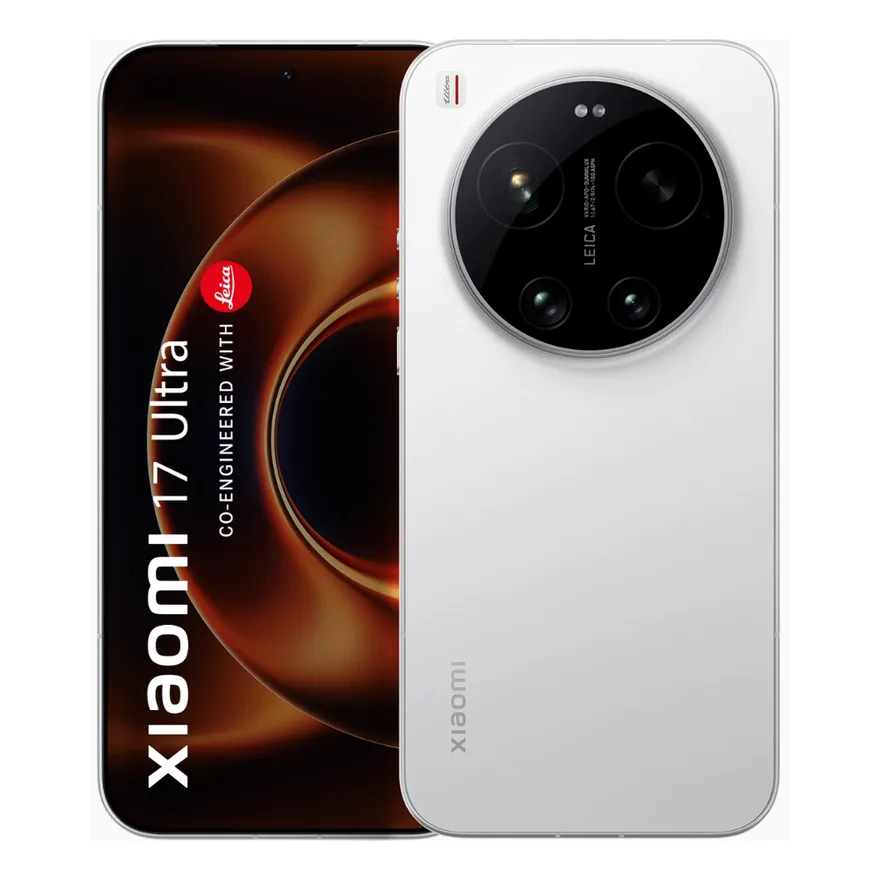
The Xiaomi 17 Ultra is the camera-first alternative from the same part of the market, at roughly double the price. The Galaxy S26 Ultra and Pixel 11 Pro both offer proper global availability and support, which is the main thing the OnePlus gives up. We compare it directly with Xiaomi's standard flagship in our OnePlus 16 versus Xiaomi 17 comparison.
The Verdict
The OnePlus 16 is the most impressive value proposition in the flagship phone market. The 9,000mAh battery and 100W charging alone would justify the purchase, but the 2nm chipset, 185Hz display, and capable 200MP camera system make it a complete package. The camera processing does not quite match Samsung, Apple, or Google at the highest level, and international availability remains limited. But for the roughly $830 converted price, nothing else comes close to what the OnePlus 16 delivers.